
Rebuilding Interiors After Water Intrusion Damage
Interior Flood & Water Damage Remediation in Texarkana for homes with ruined flooring, water-saturated drywall, or rooms requiring full rebuild after roof leaks or storm-related flooding
Interior flood remediation begins with removing everything that absorbed water—flooring, drywall, insulation, cabinetry—before any replacement materials go in, because installing new finishes over wet substrate produces mold colonization within days in humid conditions. Maverick & Moore Deck and Home Improvement manages this process for properties in Texarkana, handling the full scope from initial material removal through flooring replacement, retiling, drywall repair, and complete room remodeling in kitchens, bathrooms, or additions that sustained water intrusion. Homeowners dealing with buckled floors, ceiling stains, and walls that show swelling or odor after a roof leak or storm flooding are the primary candidates for this work.
The remediation sequence matters: water-damaged drywall that appears dry at the surface may still hold moisture in the paper facing and insulation cavity behind it, and installing new finishes without confirming dry substrate leads to mold issues that resurface behind completed walls. Flooring replacement decisions depend on material—waterlogged hardwood that has cupped or buckled cannot typically be re-dried and re-laid, while tile removal requires subfloor evaluation before new tile installs to confirm the substrate is sound. Complete room remodeling during a water damage rebuild allows pre-existing layout or material issues to be addressed while the space is already open for reconstruction.
Request a room-by-room damage evaluation to identify which materials need replacement before reconstruction planning begins.
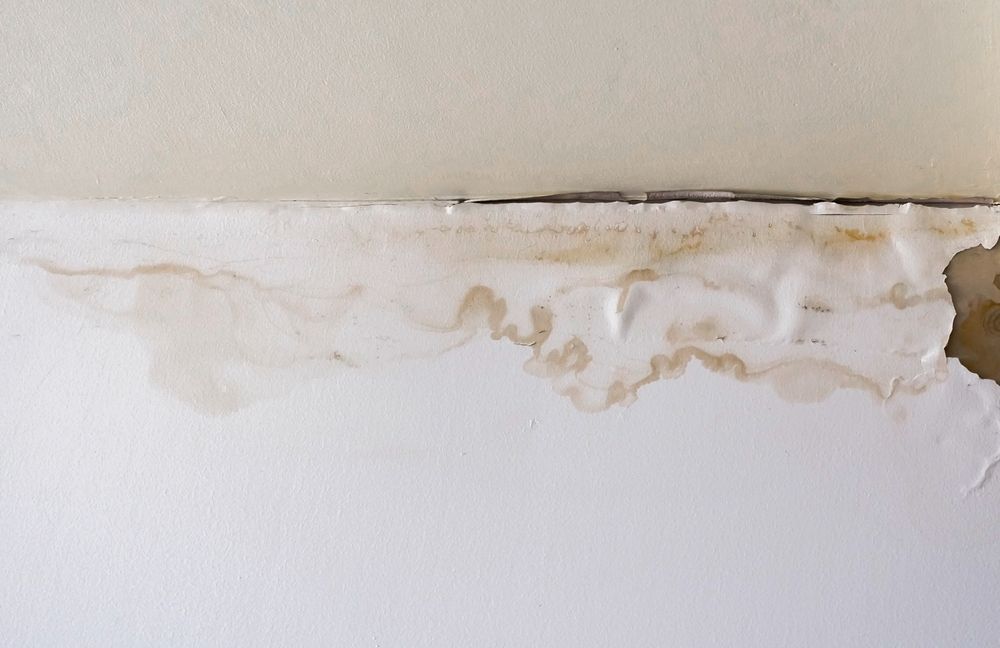
What Proper Water Damage Remediation Requires
Water damage remediation follows a sequence that prioritizes substrate condition over surface appearance—visible damage like stained ceilings, buckled floors, and swollen drywall reliably indicates problem location but consistently understates its full extent. Water migrates laterally through wall cavities and downward through floor layers, so the affected area is regularly larger than what's visible at the surface. The correct replacement boundary is determined by inspection and probing, not by the visible edge of water staining.
After remediation and reconstruction, rooms that previously showed water staining, buckled flooring, and damaged walls are restored with new materials matched to or improving on what was there before. The odor associated with water-damaged drywall and wet insulation—a reliable indicator that compromised substrate remains in place—is eliminated when all affected material is fully removed and replaced. Maverick & Moore's reconstructed kitchens and bathrooms following water intrusion include new flooring, cabinetry, and tile work that reflects a complete rebuild rather than patched repairs installed over compromised substrate.
The decision between remodel and restore during a water damage rebuild depends on how much of the space was already gutted to address moisture—when a kitchen or bathroom is substantially opened, completing a full remodel is often more cost-effective than reinstalling outdated materials. Drywall replacement in water-damaged areas typically extends beyond the visibly stained section because moisture travels through drywall paper faster than visible staining develops at the surface. Each additional day of water exposure in Texarkana's climate increases material saturation and the likelihood of mold colonization, which directly expands the removal and replacement scope.
Answers to Frequent Questions About Water Damage Rebuilds
Interior water damage raises consistent questions about what gets replaced versus restored and how reconstruction is properly sequenced. The following addresses what property owners typically need to know before remediation begins.
What happens to flooring soaked by storm flooding or a roof leak?
Hardwood that has cupped or buckled from water absorption typically requires removal and replacement since re-drying rarely restores original dimensions; tile and concrete subfloor durability depends on how long water was present and whether the substrate shifted or cracked.
How is the full extent of drywall damage determined?
Water staining represents the minimum affected area—moisture travels laterally through drywall paper and into cavity insulation, so the actual replacement boundary is established through probing and inspection rather than by the visible staining pattern.
When does water damage remediation lead to a full kitchen or bathroom remodel?
When material removal to address moisture already requires gutting cabinets, flooring, and walls, completing a full remodel during the rebuild is typically more practical than reinstalling original materials into a space that's already open.
Why does the time between water intrusion and repair affect the final scope?
In Texarkana's climate, mold colonization in wet drywall and insulation can begin within 48 to 72 hours of water exposure; each additional day of saturation expands the affected area and the volume of material that must be removed.
What distinguishes a full remediation rebuild from a patched repair?
A complete remediation removes all compromised substrate before new finishes go in—no residual staining, no floor movement, and no odor should remain. Patched repairs that leave wet substrate in place typically show renewed failure within months of completion.
Water damage that went unaddressed for even a few days typically requires more material removal than damage caught immediately, and the full scope is only clear after a thorough inspection. Maverick & Moore Deck and Home Improvement manages interior rebuilds from initial assessment through finished reconstruction—set up a walkthrough of the affected rooms to establish the correct repair scope before work begins.