
Circuits Planned Before the First Wire Pulls
Electrical Installs in New Boston for new circuits and panel upgrades in homes with loads exceeding original panel design
New builds and additions in Bowie County need circuits sized for modern loads, because HVAC, EV, and workshop demands exceed what older panels were designed for in Leary and Nash. Load calculation before panel or circuit sizing prevents new installs from requiring a costly redo after move-in, when undersized circuits can't handle actual usage patterns. Maverick & Moore Deck and Home Improvement coordinates electrical installs alongside remodel and addition work, so you don't schedule a separate electrician and wait for availability while other trades sit idle.
Installation work starts with calculating total connected load and anticipated demand load, which determines whether existing panel capacity can support new circuits or whether a panel upgrade is required before any circuit work begins. This step matters in Atlanta rural homes that often lack proper panel capacity, where adding circuits without upgrading the service creates overload conditions that trip main breakers under normal use.
Arrange a load calculation assessment to determine your panel capacity before planning new circuit installations.
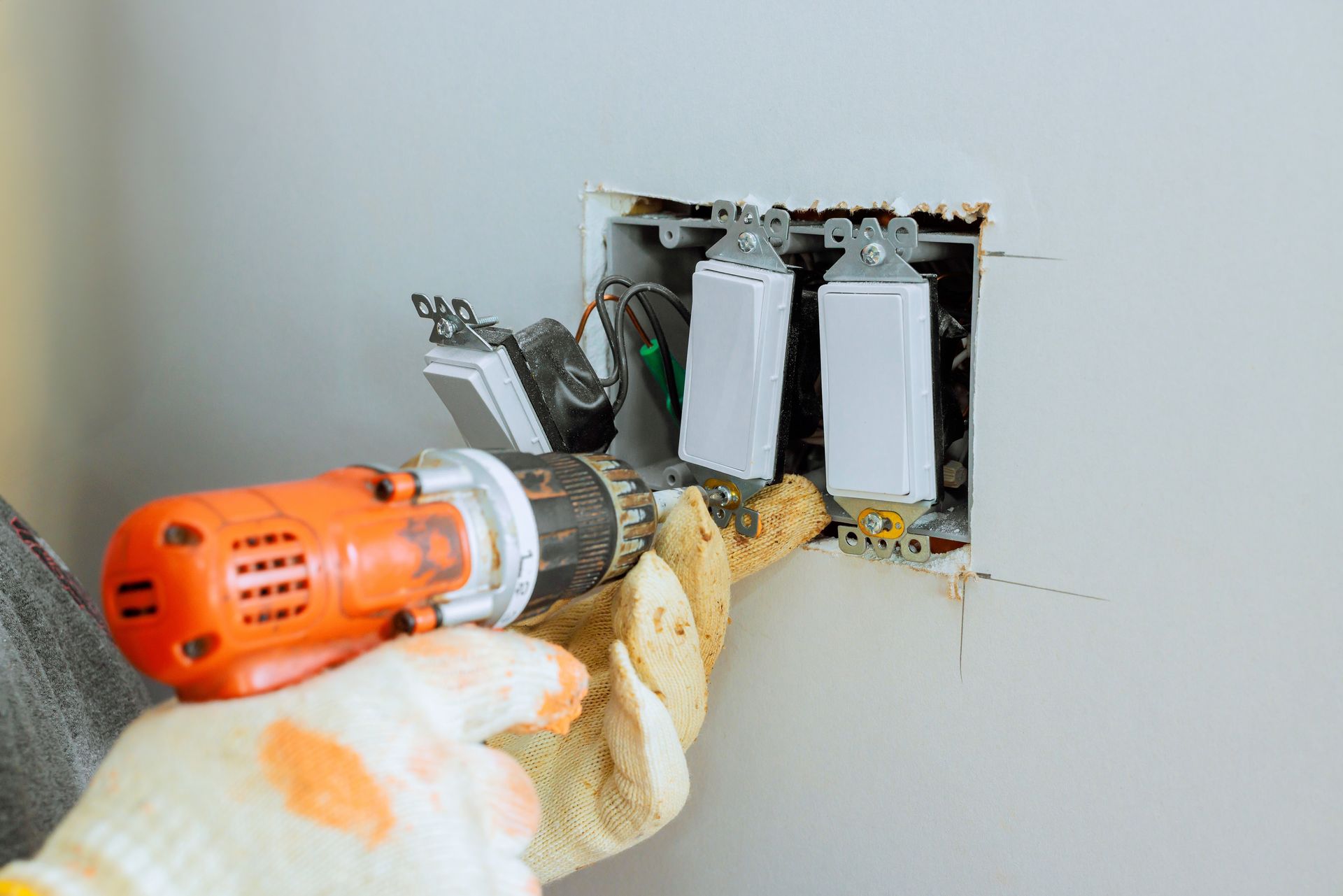
What New Circuit Installation Actually Accomplishes
New circuit installation involves routing conductors from the panel to load locations, sizing wire gauge and breaker rating for anticipated current draw, and terminating connections at both ends to meet code torque and insulation requirements. Panel upgrades replace outdated panels with models that provide additional breaker slots, higher amperage service capacity, and bus bar designs that accommodate modern circuit protection devices.
After installation completes, new circuits deliver stable power to added loads without voltage drop, panel capacity supports future expansion without requiring immediate rework, and breakers protect conductors appropriately based on wire gauge and insulation rating. Maverick & Moore Deck and Home Improvement sizes the system before pulling the first wire, so your electrical infrastructure handles current needs and anticipated future loads without operating at maximum capacity.
Installation scope includes load calculation to determine panel and circuit requirements, panel replacement or upgrade when existing capacity is insufficient, circuit routing and conductor installation, device and fixture connection, and final testing to verify voltage, current, and ground integrity. Permit handling and inspection coordination are part of the process to confirm code compliance.
Questions Before Starting Your Project
Electrical installation work across the Ark-Tex region requires planning for load requirements that differ significantly from what older residential panels were built to handle.
What determines whether a panel upgrade is needed?
Panel upgrades are needed when total connected load exceeds the service rating, when available breaker slots are full and additional circuits are required, or when the panel model is outdated and doesn't support modern circuit protection devices like arc-fault or ground-fault breakers.
How are circuits sized for EV chargers?
EV charger circuits are sized based on the charger's maximum current draw, typically requiring 40 to 60 amp dedicated circuits with appropriate conductor gauge and breaker protection, along with verification that the panel and service entrance can support the added continuous load.
When should load calculations be performed?
Load calculations should be performed before adding any major appliance circuits, before remodeling projects that increase electrical demand, and whenever the main breaker trips repeatedly under normal use, indicating the service is operating near or beyond its rated capacity.
What's involved in running new circuits through existing walls?
Running circuits through existing walls involves drilling access holes to route conductors, using fish tape or flexible rods to pull wire through enclosed cavities, cutting access openings where routing requires directional changes, and patching openings after conductors are in place and terminated.
How does rural service differ from in-town installations?
Rural properties in Atlanta and surrounding areas often have longer service runs from the utility transformer, which creates voltage drop concerns that require larger conductor sizes, and may have overhead service entries that require weather-head upgrades when panel capacity increases.
Maverick & Moore Deck and Home Improvement plans the system before pulling the first wire, so your electrical install handles modern loads without requiring immediate upgrades. Request a free estimate for new circuit installation or panel upgrade work.