
Tile That Won't Crack in Two Years
Bathroom Remodeling in New Boston for homes where humidity accelerates grout failure and subfloor rot
East Texas humidity accelerates grout failure and subfloor rot in bathrooms faster than in drier climates, and the hidden job that determines whether a remodel lasts involves checking subfloor integrity and installing cement backer before tile goes down. Daingerfield older housing stock carries small outdated bathrooms overdue for full gut remodels, and skipping the subfloor check is why tile cracks in two years even when the installation looks fine on the surface. Maverick & Moore Deck and Home Improvement handles tile, plumbing, electrical, and finish work in-house, so the remodel doesn't require coordinating multiple trades or waiting for separate crews to arrive days apart.
Bathroom remodels built for East Texas humidity focus on moisture management as the structural foundation, not just cosmetic upgrades. Subfloors are inspected for rot and replaced if joists show soft spots or water damage, then cement backer board is installed over the subfloor to provide a stable, moisture-resistant base for tile. This prevents flex that cracks grout lines and keeps water from seeping into the framing when showers are used daily.
Request a detailed estimate that includes subfloor inspection and moisture barrier installation before tile and fixture selection.
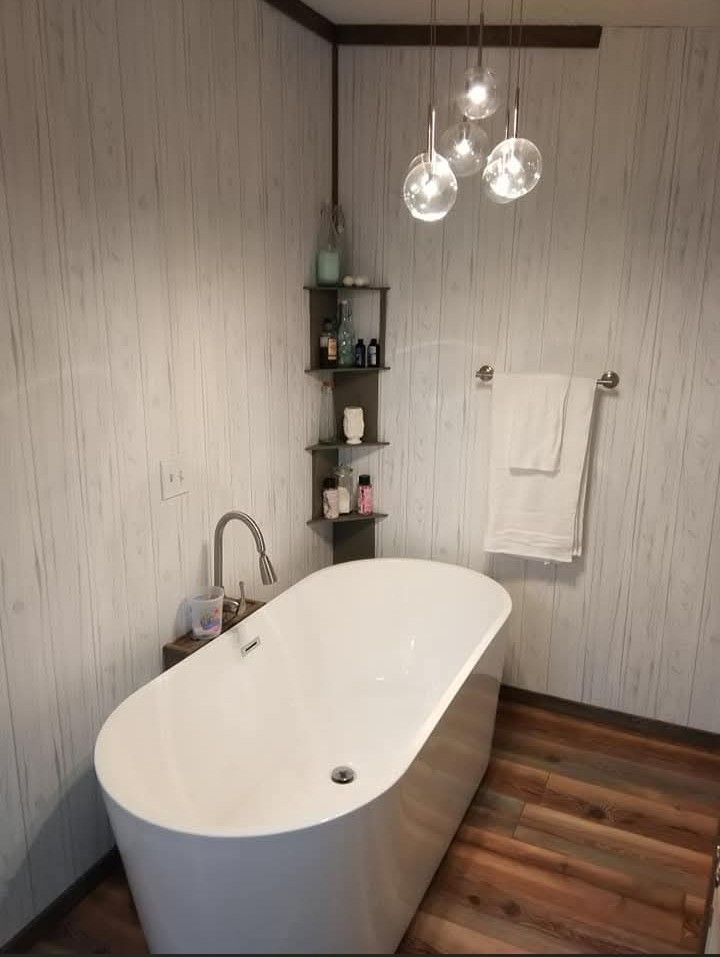
What Subfloor Prep Prevents Long-Term
Bathroom remodels in Nash and Hooks-area homes require removing old tile or vinyl, exposing the subfloor, and evaluating joist condition before any new finishes are installed. Cement backer board is screwed to the subfloor in a staggered pattern to eliminate movement, and seams are taped and waterproofed before thinset mortar is applied. Plumbing and electrical rough-in happens after demolition but before backer installation, so pipes and wires are accessible for inspection.
Once the remodel is complete, tile stays flat without grout lines cracking or tiles popping loose, even in high-humidity months. Fixtures drain properly without leaks, and walls around the shower remain dry because waterproofing was installed behind the tile. Ventilation fans exhaust moisture outside rather than into the attic, which reduces long-term humidity damage to framing and insulation.
Full bathroom remodels include demolition, subfloor repair, plumbing and electrical updates, tile installation, fixture mounting, vanity installation, and finish trim. Partial remodels focus on specific upgrades like replacing the shower surround or updating fixtures without changing the layout, and the scope depends on what the existing space needs and what the property owner wants to change.
Answers to Frequent Bathroom Remodel Questions
Older homes across East Texas and Southwest Arkansas frequently need bathroom updates that address both cosmetic wear and underlying structural issues caused by decades of moisture exposure.
What happens during the subfloor integrity check before tile installation?
The existing flooring is removed, the subfloor is inspected for soft spots or rot, and damaged sections are cut out and replaced with new plywood before cement backer is installed.
How does cement backer installation prevent tile from cracking in humid climates?
Cement backer provides a rigid, moisture-resistant surface that doesn't expand or contract with humidity changes, unlike plywood or OSB, which keeps the tile layer stable and prevents movement that cracks grout.
Why do bathroom remodels in New Boston require planning plumbing and electrical before tile layout?
Drain and supply line locations lock in fixture placement, and electrical boxes for outlets and switches need to be positioned before walls are tiled, or retrofitting them later means cutting into finished tile work.
What's included in a full gut bathroom remodel versus a partial update?
A full gut remodel removes everything down to the studs and subfloor, replaces all plumbing and electrical, installs new backer and tile, and updates all fixtures and finishes, while a partial update replaces select elements like the vanity, toilet, or shower surround without changing the layout.
When should a bathroom fan be vented to the outside rather than into the attic?
Always—venting bathroom humidity into the attic accelerates insulation damage, promotes mold growth on roof decking, and shortens shingle life, especially in the humid Ark-Tex climate.
Maverick & Moore Deck and Home Improvement plans bathroom remodels around moisture management and structural soundness, not just updated fixtures and finishes. Call (903) 702-9742 to schedule a free estimate and review your current bathroom condition.