
Floors Built on Solid Foundations
Flooring in New Boston for homes where red clay soil and pier-and-beam foundations create subfloor flex
Red clay soil and pier-and-beam foundations in East Texas create subfloor flex that cracks rigid flooring if not properly prepped, and Redwater and Leary-area homes are prime examples of structures where seasonal soil movement affects everything built on top of it. Maverick & Moore Deck and Home Improvement handles subfloor repair and leveling as part of the flooring job, not just the top layer, because flattening and securing the subfloor before install is the step that separates floors that last from floors that squeak and crack within a season. East Texas climate awareness informs material and prep decisions, and humidity and soil movement determine whether a floor needs additional fastening or underlayment to stay flat long-term.
Flooring installation involves more than rolling out new material over what's already there. The existing subfloor is inspected for loose boards, gaps, or uneven areas, and any sections that move or sag are screwed down or shimmed to eliminate flex. High spots are sanded flat, and low areas are filled with leveling compound so the finished floor doesn't telegraph imperfections from below.
Arrange a property evaluation to assess subfloor condition and discuss flooring options that work with your foundation type and local soil conditions.
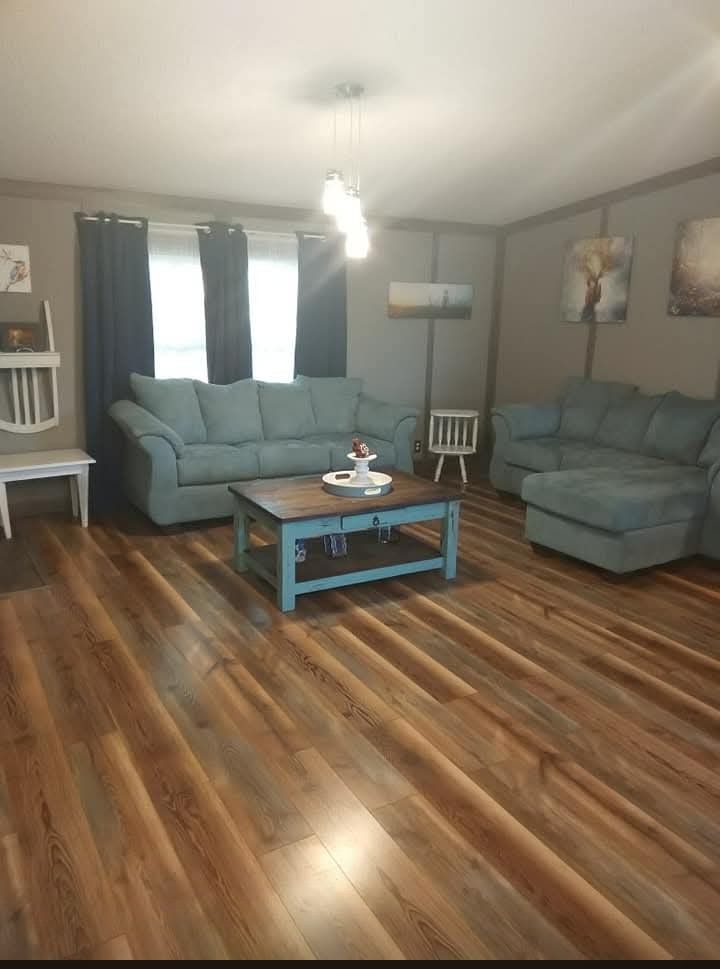
What Subfloor Prep Changes After Installation
Subfloor preparation involves walking the entire floor area and marking sections that move or sound hollow underfoot, then fastening those sections securely to the joists below. Gaps between subfloor panels are filled to prevent movement, and the entire surface is checked with a straightedge to identify areas that need leveling. Underlayment is installed if the flooring material requires it, and moisture barriers are added in areas prone to humidity exposure like bathrooms or kitchens.
After installation is complete, the floor stays flat without developing squeaks or soft spots when you walk across it. Rigid flooring like tile or laminate doesn't crack at the seams, and vinyl or engineered wood lies smooth without buckling or gaps appearing between planks. The floor feels solid underfoot because the subfloor was stabilized before the finish material went down, and seasonal soil movement doesn't cause noticeable shifting or cracking.
Flooring projects include subfloor inspection and repair, leveling, underlayment installation if needed, finish flooring installation, and trim or transition pieces at doorways and edges. The work doesn't include moving heavy furniture or appliances unless specifically arranged in advance, and existing flooring removal is quoted separately depending on the material and how it was originally installed.
Common Questions About This Service
Pier-and-beam foundations and red clay soil across the Ark-Tex region create specific challenges for flooring that property owners need to understand before choosing materials and starting installation.
What happens during a subfloor inspection before new flooring is installed?
The existing floor covering is removed, the subfloor is walked to identify loose or flexing sections, and problem areas are screwed down, shimmed, or replaced depending on the severity of movement or damage.
How does red clay soil movement in East Texas affect flooring longevity?
Red clay expands when wet and contracts when dry, which causes pier-and-beam foundations to shift slightly with seasonal moisture changes, and subfloors that aren't secured properly flex enough to crack rigid flooring or create squeaks in wood floors.
Why does leveling the subfloor matter more than just installing thicker flooring material?
Flooring material follows the contour of the subfloor beneath it, so even thick planks or tiles will telegraph dips, humps, or slopes if the subfloor isn't flat, and this creates uneven surfaces that wear unevenly and develop cracks or gaps over time.
What types of underlayment work best for flooring in humid climates like New Boston?
Moisture-resistant underlayment with a vapor barrier prevents humidity from warping wood-based flooring, and foam or cork underlayment provides cushioning and sound dampening for laminate or engineered wood in areas where humidity fluctuates seasonally.
When should subfloor repairs be done instead of just installing new flooring over the existing subfloor?
Anytime the subfloor has soft spots, visible sag, noticeable flex when walked on, or water damage—installing over damaged subfloor just hides the problem temporarily and leads to flooring failure within months.
Maverick & Moore Deck and Home Improvement installs flooring built on solid, level subfloors that won't squeak or crack as the foundation shifts with East Texas soil conditions. Call (903) 702-9742 to schedule a free estimate and subfloor evaluation for your home.